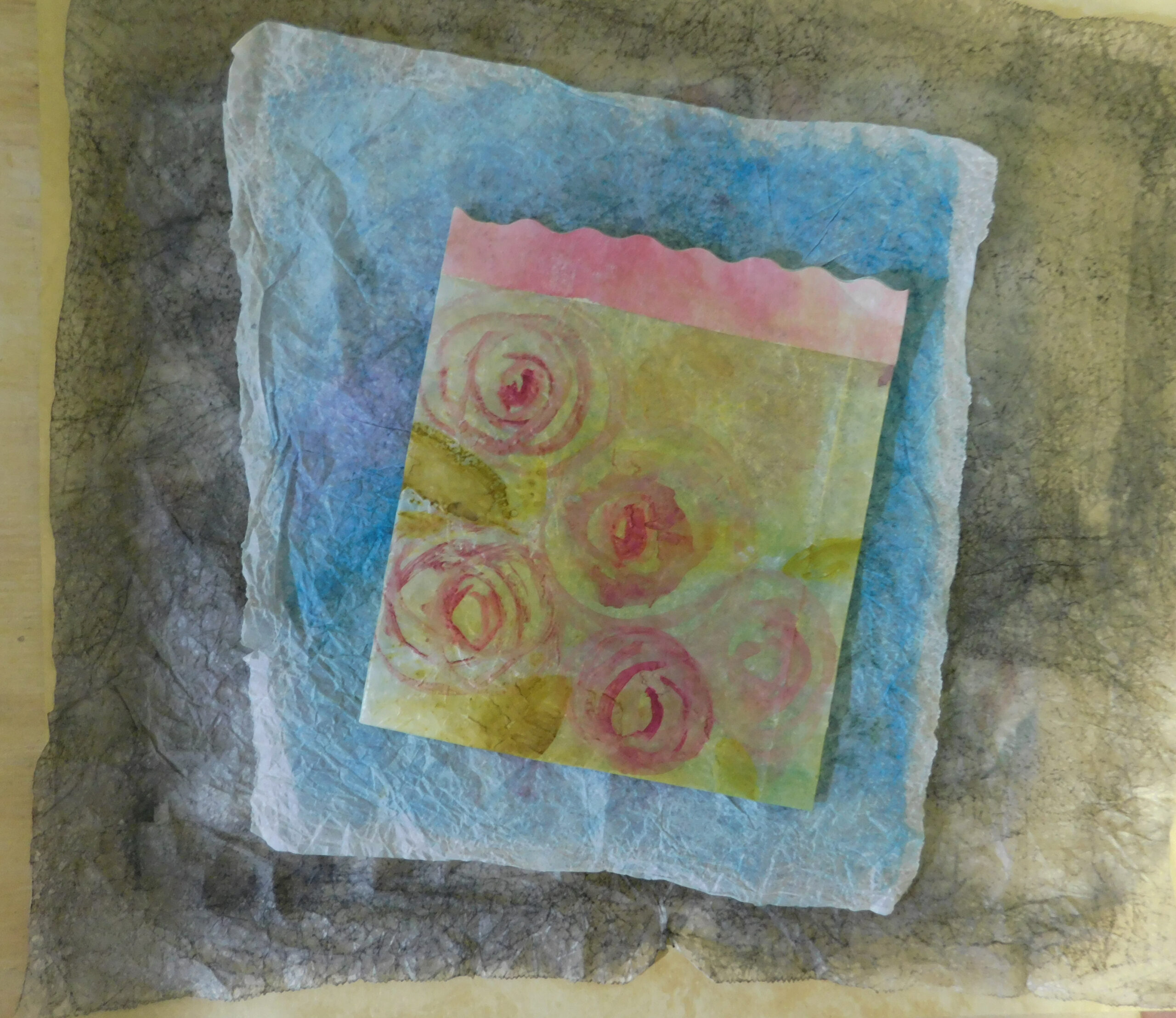
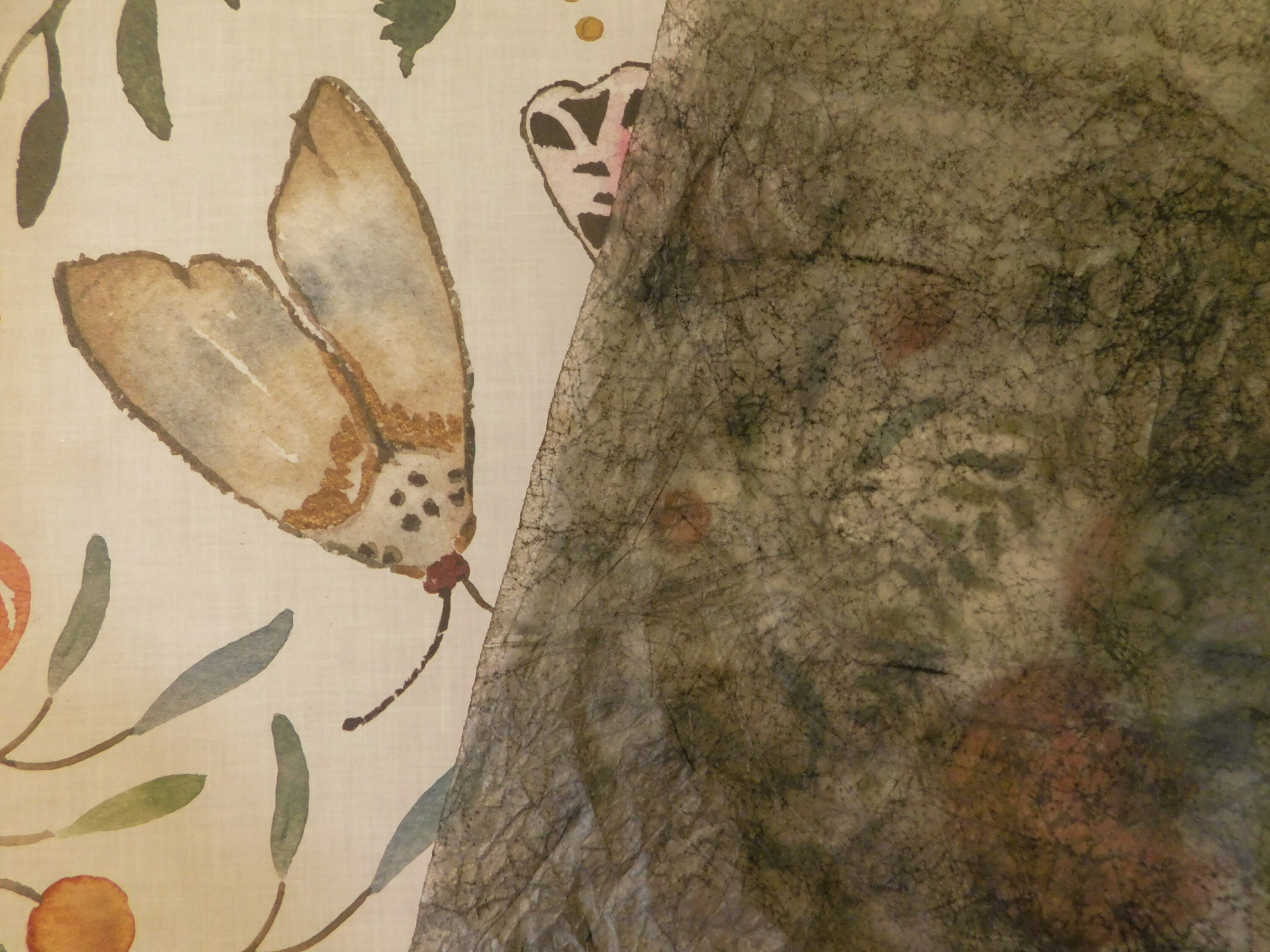
Momigami Faux Rice Paper
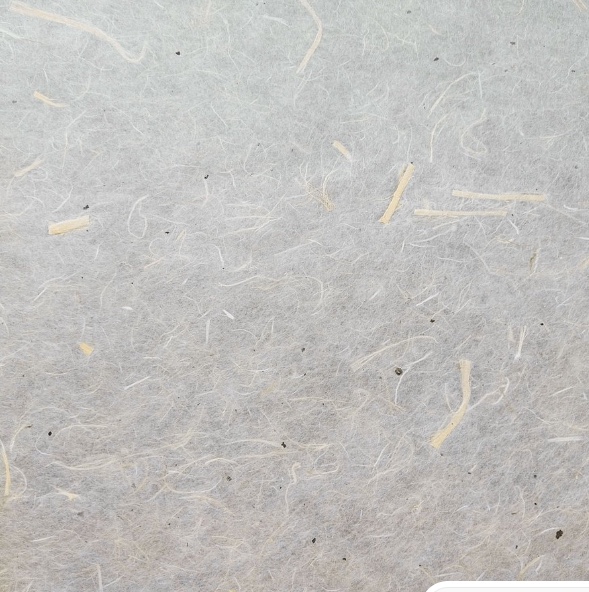
The word “momigami” in Japanese means “kneaded paper.” Momigami is a type of paper that feels similar to fabric.
Various methods can be used to make momigami papers, including using different types of paper and starch. Regardless of the method used, all momigami papers share qualities such as durability, high flexibility, and a fabric-like texture.
Momigami can be used in many different art and crafts, there are so many possibilities. You can use it to make lampshades, paper bags (some papers can be sewn), gift wrapping, bookbinding and even for decor projects.
Paper: You can use any paper. Just don’t use old or brittle papers.
Starch: You might see on other websites that momigami requires starch. That’s not always the case. If you want the paper to be soft, starch is not required. If you want the paper to be a little crisp you can use starch. The most commonly used and easiest to handle starch is Konnyaku powder. You can also try using tapioca flour or rice flour.
Other Materials: You’ll need a dish or a bowl to mix the starch, a paintbrush, and a smooth, clean surface like a plastic sheet or a flat surface that can handle the stickiness.
If you do not wish to use a starch, simply crumple and knead. However, you may want to handle the paper with even more care to avoid any damage.
This project is both Momigami and Kozu inspired. Kozo papers are also known as washi, hanji, mulberry paper, and rice paper.
The paper you will need is wax paper. You will also need some watercolors to color the paper. If you plan on rewetting your paper for collage Derwent inktense colors will not bleed. You can also try a very thin coat of matte acrylic medium to seal however that will affect the soft fabric like feel of the paper.
To color wax paper with watercolor a soap is required so you’ll also need a few drops of dish soap. You’ll also need a large soft wash brush.
Begin by kneading the wax paper, knead and then unfold and smooth. You’ll want it to feel more like paper or fabric and less like wax paper. If you begin to get tiny holes in your paper you are beginning to damage the fiber too much and you should stop at that point as your paper is becoming too weak.
These cracks and folds in the wax paper are what will be creating the faux rice paper effect and coloring will make them appear more prominent.
Begin by putting a few drops of dish soap across your paper and brushing with a wet brush to spread the soap.
Choose a color and apply a wash across the entire surface. Dry the paper and crumple once more to bring back some large cracks and lightly dry brush either a darker tone or a lighter tone across the raised edges. Let dry and smooth again.
You can also paint designs on your paper to make a decorator matte tissue paper that looks both vintage and Asian.
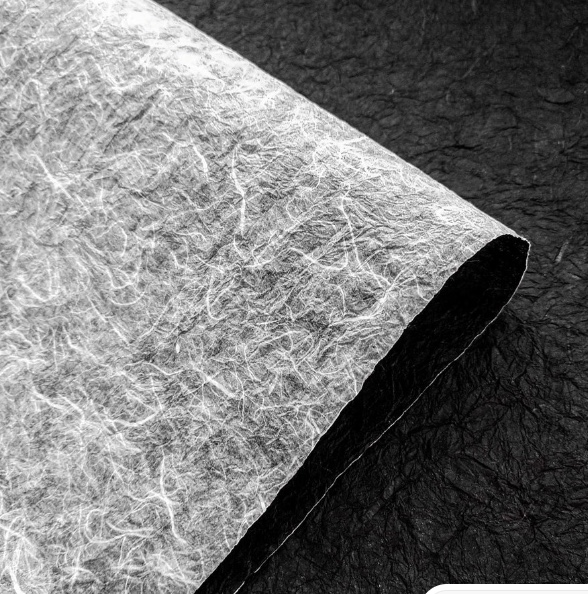
Momigami Starch Method
The Momi process (with starch)
Mix one tablespoon of starch with a cup of warm water (150-200 ml) in the bowl you have ready. Thoroughly stir the mixture until you get a clear, consistently thick syrup
Take a paintbrush and use it to cover both sides of each piece of paper with the mixture.
Leave the paper to dry for a bit.
When the paper is semi-dry, it is time to knead. Turn the four corners of the paper toward the center before gently crumpling it by hand. Unfold it and repeat the process. However, the tricky part is how much you want the paper to crumble. The more you knead it, the closer to fabric it gets. When done, leave the paper to dry.


